The Land
Sea to shining sea.
Where the phrase came from, how 13 colonies became 50 states and 5 territories across 3.8 million square miles, and why the national park idea is one of America's gifts to the world.
Updated May 3 2026 · Sources: National Park Service, Library of Congress, U.S. Census.
Where the phrase comes from
Sea to shining sea is a line from America the Beautiful, written in 1893 by Katharine Lee Bates, a 33-year-old English literature professor at Wellesley College. She was on a summer trip and rode a wagon to the top of Pikes Peak in Colorado. The view from 14,115 feet, looking out across the plains in one direction and toward the Rockies in the other, gave her the closing image. The poem was published two years later. The hymn-tune Materna by Samuel Ward was paired with it in 1910. The song has been proposed as the national anthem several times since.
It started with thirteen colonies
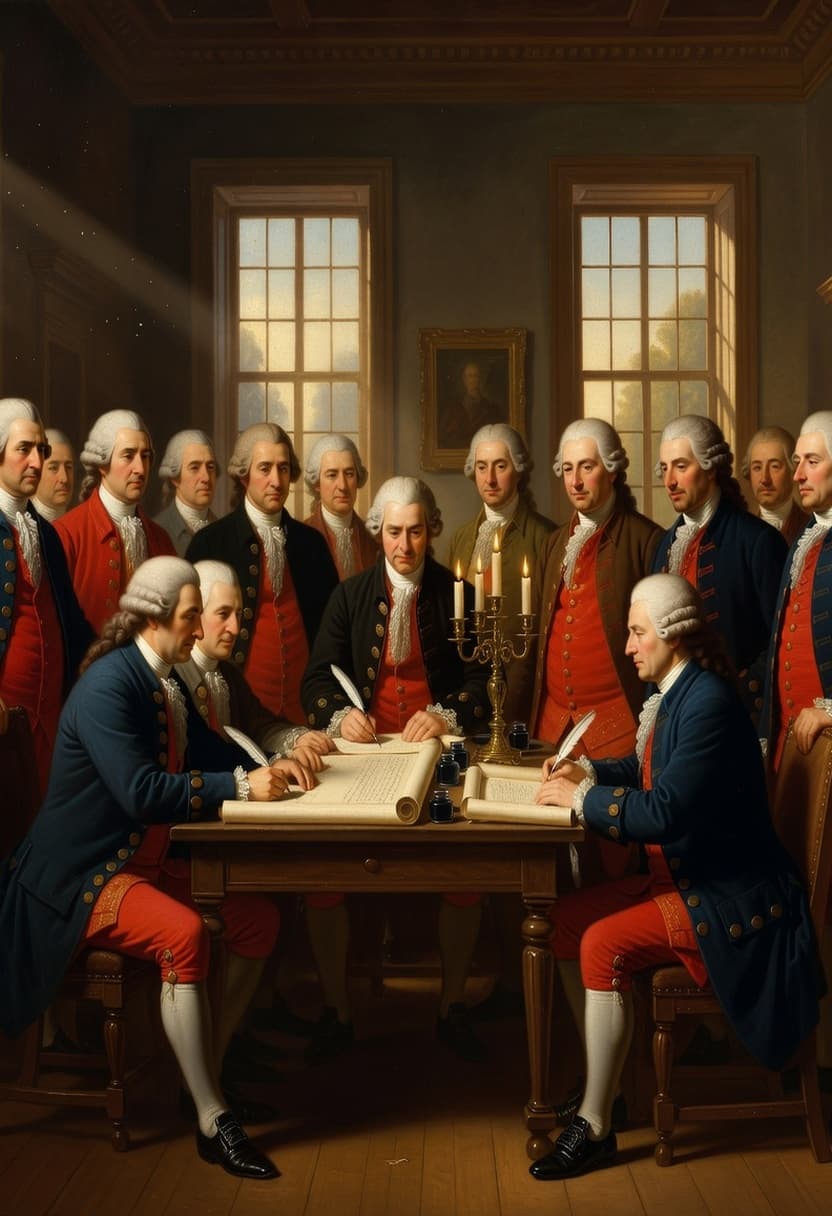
When the Declaration was signed in 1776, the country was a strip of 13 British colonies along the Atlantic seaboard, from New Hampshire to Georgia. Most of the continent west of the Appalachians was claimed by Britain, France, Spain, or Native nations. The 13 colonies covered about 430,000 square miles. The whole country today covers more than 3.8 million square miles, roughly nine times what the founders ratified.
Louisiana doubled the country in one transaction
In 1803, President Thomas Jefferson bought 828,000 square miles from France for $15 million, about four cents an acre. The Louisiana Purchase doubled the size of the United States overnight. It included all or part of what is now 15 states, from Louisiana up through Montana. Jefferson immediately sent Meriwether Lewis and William Clark west to map it. They reached the Pacific in November 1805 at the mouth of the Columbia River.
Westward, with weight
Across the 19th century the country pushed west through treaty, war, purchase, and migration. Florida from Spain in 1819. Texas annexed in 1845. Oregon split with Britain in 1846. The Mexican Cession in 1848 brought California, Arizona, New Mexico, Nevada, Utah, and parts of Colorado and Wyoming. Alaska bought from Russia for $7.2 million in 1867. The Transcontinental Railroad was completed at Promontory Summit, Utah, in May 1869. Westward expansion came at heavy cost to Native nations whose lands were taken or restricted.
Fifty states, five territories
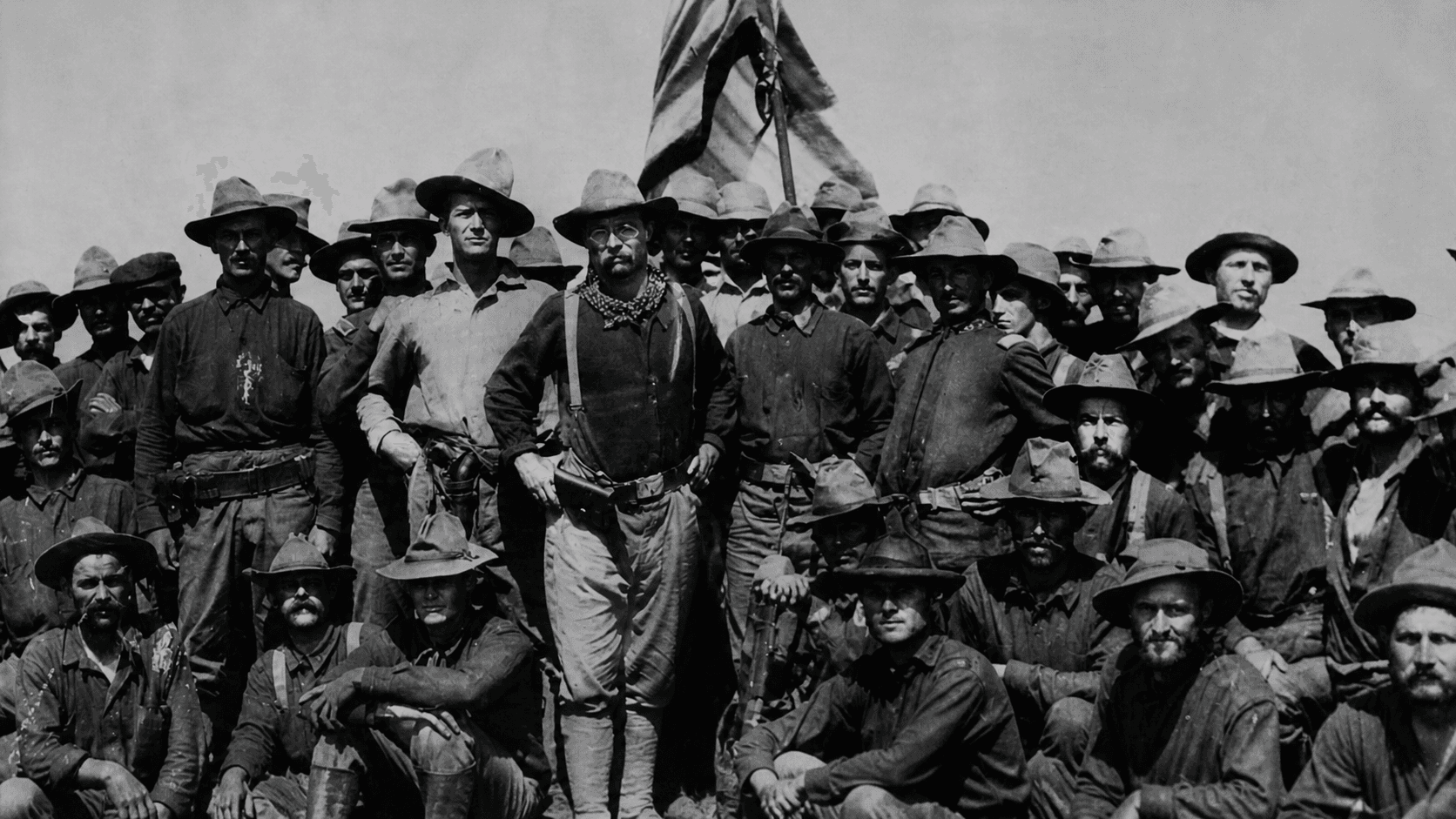
The lower 48 states were complete by 1912 with the admission of Arizona and New Mexico. Alaska became the 49th state on January 3 1959. Hawaii became the 50th on August 21 1959. The country today also includes five inhabited territories, Puerto Rico, Guam, the U.S. Virgin Islands, the Northern Mariana Islands, and American Samoa, home to more than 3.5 million American citizens and nationals.
Coast to coast, what it actually is
From the Atlantic in Maine to the Pacific in Washington State, the coast-to-coast distance is about 2,800 miles by road. The country spans six time zones in the contiguous states, plus Alaska and Hawaii. Driving I-90 from Boston to Seattle takes about 45 hours. Death Valley sits 282 feet below sea level. Denali in Alaska reaches 20,310 feet. The Mississippi River runs 2,340 miles from northern Minnesota to the Gulf of Mexico.
The national park idea was American
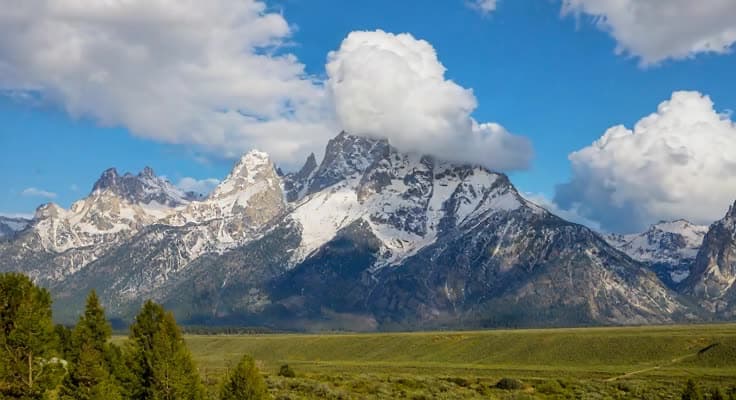
On March 1 1872, President Ulysses S. Grant signed the law creating Yellowstone, the first national park anywhere in the world. The model spread. America now protects 63 designated national parks plus more than 350 other National Park Service sites covering 85 million acres. The world followed: Royal National Park in Australia in 1879, Banff in Canada in 1885. The idea that wild land belongs to the public, not to a king or a private owner, started in the United States.
Timeline
The map in eight moments
- 1607Jamestown settled, first permanent English colony.
- 1776Thirteen colonies declare independence.
- 1803Louisiana Purchase doubles the country.
- 1872Yellowstone, world's first national park.
- 1893Katharine Lee Bates writes America the Beautiful atop Pikes Peak.
- 1912Lower 48 complete with Arizona and New Mexico.
- 1959Alaska and Hawaii admitted; 50 states.
- 2026United States marks 250 years.
Common questions
About the American map
Where does the phrase 'sea to shining sea' come from?+
It is the closing line of America the Beautiful, written by Katharine Lee Bates in 1893 after she stood on top of Pikes Peak in Colorado. The poem was set to Samuel Ward's hymn-tune Materna in 1910 and has been proposed as the national anthem.
How many states are there?+
Fifty. The 50th, Hawaii, was admitted on August 21 1959. Alaska had become the 49th state earlier that same year, on January 3 1959.
How many U.S. territories are there?+
Five inhabited territories: Puerto Rico, Guam, the U.S. Virgin Islands, the Northern Mariana Islands, and American Samoa. Together they are home to more than 3.5 million American citizens and nationals.
Which were the original 13 colonies?+
Delaware, Pennsylvania, New Jersey, Georgia, Connecticut, Massachusetts, Maryland, South Carolina, New Hampshire, Virginia, New York, North Carolina, and Rhode Island. They are listed in the order they ratified the Constitution between 1787 and 1790.
What did the Louisiana Purchase actually cover?+
The 1803 purchase from France covered 828,000 square miles, doubling the country overnight. It included all or part of 15 modern states, from Louisiana up through Montana, Arkansas, Missouri, Iowa, Minnesota, the Dakotas, Nebraska, Kansas, Oklahoma, Wyoming, and Colorado.
What was the first national park in the world?+
Yellowstone National Park, signed into law by President Ulysses S. Grant on March 1 1872. It set the model for every national park system that followed worldwide.
How wide is the United States, coast to coast?+
About 2,800 miles by road, from the Atlantic in Maine to the Pacific in Washington State. The contiguous states span four time zones; Alaska and Hawaii add two more.